Oct 12, 2026 · @William Holder
How much seller assist you can ask for comes down to your loan type, not the seller's generosity. The cap runs from 2% to 9% of the purchase price depending on your loan and down payment — and that money goes toward your closing costs, not your down payment.
But in Delaware County's tight market, the legal cap usually isn't the real question. The real question is how much you can ask for without turning your offer into the one the seller passes on. I'll cover both.
What is seller assist, and what can it actually pay for?
Seller assist — also called seller concessions or, in lender language, an interested party contribution — is money the seller agrees to put toward your costs of buying. It's written into the sales contract, and it's a credit, not a discount off the price.
It can go toward:
Loan and lender fees (origination, underwriting)
Title, settlement, and appraisal costs
Prepaid property taxes and homeowners insurance, and your escrow setup
Discount points or a mortgage rate buydown
Sometimes a home warranty
The one thing it can't do is cover your down payment directly. It pays your closing costs and prepaids — which still helps, because the cash you would have spent there stays in your pocket for the down payment. One more limit: the credit can't be more than your actual costs. If you ask for $12,000 in assist but your total closing costs come to $9,000, you only get the $9,000 — you can't pocket the difference.
How much can you ask for? The limits by loan type
Here's the part that's set in stone: your loan program caps the concession, not you, the seller, or your agent. As of 2026, the limits look like this (Freddie Mac Seller/Servicer Guide, effective July 2026; loan-type summary):

Two things to keep in mind: the conventional percentage is figured on the lower of the sale price or the appraised value, and no matter the cap, the credit still can't exceed your actual closing costs.
The catch most buyers miss: the appraisal
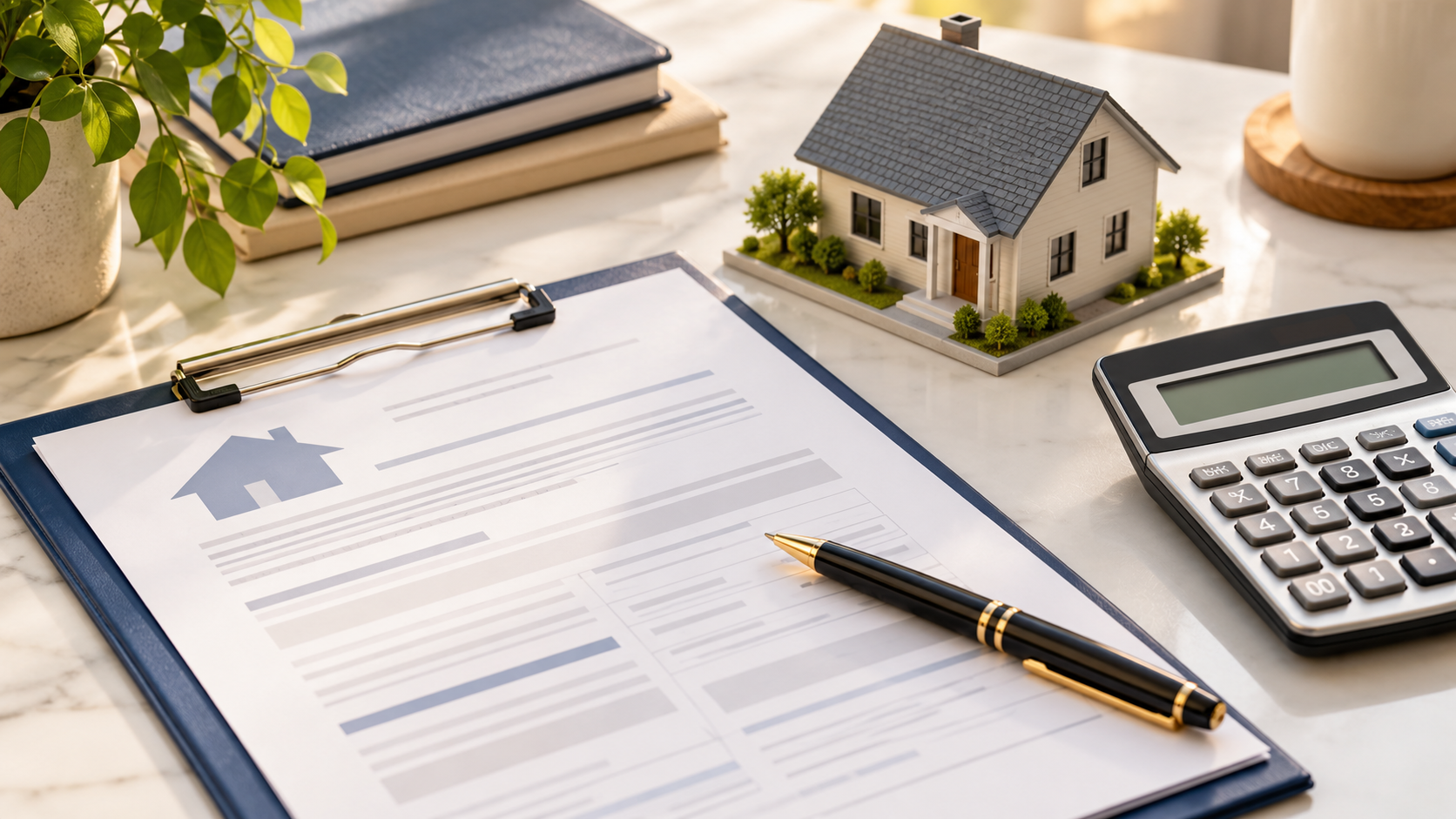
Here's how seller assist usually works in practice. To get the seller to cover, say, $10,000 of your costs, you often offer a bit more for the house so they still net what they wanted. You're essentially financing your closing costs into the price.
That only works if the home appraises for the higher number. If you agree to $410,000 with $10,000 in assist but the appraisal comes back at $400,000, you've got a gap to deal with — and on a standard financed deal, that gap lands on you.
This matters most in the competitive corners of our market, where buyers are already stretching over asking. Lean on assist too hard in a hot neighborhood and the appraisal can quietly undo the whole plan.
Does asking for seller assist hurt your offer? (The Delaware County reality)
It can — and whether it does comes down to the same thing that drives every negotiation here: how much leverage the seller has.
Right now Delaware County leans toward sellers. Inventory is tight (under two months of supply), well-priced homes go in roughly four weeks, and homes are selling very close to asking. In that setup, a big assist request on a fresh, well-priced home can lose to a cleaner offer, because the seller reads it as less money and more friction.
Where a seller assist request works best:
Homes that have been sitting (think 45+ days on market)
Price points and pockets where buyers have more choice
New construction, where builders would rather give credits than cut the price
Motivated sellers — a relocation, an estate, someone who's already bought
In entry-level parts of the county — towns like Springfield, Ridley Park, Folsom, and Brookhaven — asking for assist is common, because a lot of first-time buyers need help with closing costs. It still works best when the home has been on the market a little while. In the hottest, most competitive areas, leading with a large assist request is usually the wrong move.
How this plays in Delaware and South Jersey
The concession caps above are set by your loan program, so they're the same whether you buy in Pennsylvania, Delaware, or New Jersey. What changes across state lines is the size of the closing-cost bill that assist is helping with — and that changes how far a given percentage actually stretches.
Transfer taxes are the big swing. They're charged differently in each state and often split between buyer and seller in different ways, so the same 6% assist covers a different share of the real costs in Mullica Hill or Swedesboro, New Jersey than it does in Hockessin or Middletown, Delaware, or back home in Delaware County.
The short version: the ceiling on what you can ask for is the same everywhere; the amount that's worth asking for depends on the closing costs in that specific market. We work all three, so we can run the real numbers for the state and town you're actually buying in.
Frequently asked questions
Can seller assist cover my down payment? No, not directly. It goes toward closing costs and prepaids. But covering those frees up the cash you'd have spent, which you can then put toward your down payment.
What's the maximum seller assist on an FHA loan? Six percent of the sale price (or the appraised value, whichever is lower), regardless of your down payment. It still can't exceed your actual closing costs.
Does asking for seller assist make my offer weaker? It can on a hot, fresh listing, where sellers have other options. On a home that's been sitting, it's often a non-issue. Price and terms are always weighed together.
Do I have to pay the seller assist back? Not as a separate bill. But since it's usually built into a slightly higher purchase price, you effectively finance it over the life of your loan.
Should I ask for seller assist in a bidding war? Usually not. When a seller has multiple offers, a big assist request is often the fastest way to the bottom of the pile. If you need the help, there are better ways to structure the offer — that's a conversation worth having first.
Let's find your number
The cap is set by your loan, but the right amount to actually ask for depends on the home, the seller, and the market it's in. If you're buying in Delaware County — or anywhere across Delaware and South Jersey — I'm glad to look at a specific property and tell you how much assist you can realistically ask for without weakening your offer.
Call or text me directly at 484-744-4053 and we'll map it out together.